The post See You at the 2026 Green Schools Conference! appeared first on Project Learning Tree.
]]>
Educators and students are shaping the future of education and green schools to build a more sustainable world. The Green Schools Conference, organized by the U.S. Green Building Council, is at the heart of this movement. It brings together educators, advocates, and professionals from across the country to advance green schools and sustainability in education.
This energizing two-day event will explore bold, practical solutions to advance green schools, focusing on environmental impact, health and well-being, sustainability literacy, and systemic change at every level of education.
With inspiring keynotes, expert-led sessions, hands-on workshops, and powerful networking
opportunities, GSC equips attendees with the tools, strategies, and community support needed
to lead the charge for healthier, more sustainable learning environments.
Explore Key Conference Themes:
- Environmental Impact: Strategies to conserve resources, reduce emissions, and restore ecosystems
- Health and Well-Being: Creating learning spaces that support the physical and
emotional health of students and staff - Environmental and Sustainability Literacy: Integrating systems thinking and placebased
learning across curricula - Whole School/District Sustainability: Embedding sustainability across culture,
operations, and education for long-term change
Coming together from across the country
The Green Schools Conference is the only national event that brings together people who lead, operate, build, and teach in U.S. green schools. That’s a big reason why I’m thrilled to represent Project Learning Tree and the Sustainable Forestry Initiative at the conference. I’m looking forward to connecting with people to learn from them and share PLT resources like our Green Schools Program, Forest Literacy Framework, and the K-8 Activity Guide.
Supporting Green Schools Nurtures the Next Generation
For me, supporting the green schools movement isn’t just about the physical infrastructure of a school—it’s also about nurturing the values of the next generation. By promoting green building practices, we can ensure that students are learning in spaces that not only inspire but also serve to protect the natural world.
Join me at the Green Schools Conference
Register for the Green Schools Conference today! A variety of registration packages are available, with special rates for employees of PreK–12 schools and districts, as well as government and non‑profit employees. I can’t wait to meet and talk more about how sustainably managed forests can benefit communities and kids!
The post See You at the 2026 Green Schools Conference! appeared first on Project Learning Tree.
]]>The post SFI/PLT Partners with Texas A&M Forest Service to Increase Forest Literacy with Free Online Learning appeared first on Project Learning Tree.
]]>“This free online course will introduce learners to the many values of trees and forests—and the importance of managing them sustainably,” said Josh Brankman, VP of Education at the Sustainable Forestry Initiative (SFI). “By creating an interactive learning resource that anyone can access, we will inspire forest conservation and green infrastructure, expand pathways to green careers, and produce advocates that help ensure forests remain a positive force for environmental, economic, and community well-being.”
Developed by Texas A&M Forest Service and Project Learning Tree (PLT), an award-winning educational initiative of SFI, with support from the USDA Forest Service, the course offers practical knowledge to deepen understanding and engagement around the values and benefits of forests. The course was built in collaboration with the foundation of PLT’s Forest Literacy Framework and the Texas Forest Literacy Plan.
“Forest literacy is fundamental for navigating our interconnected world and building a sustainable future. We are thrilled to introduce a course that will strengthen learners’ ability to engage, educate, and advocate for forests through informed action and shared understanding,” said Melanie Villegas-Portillo, Conservation Education Program Specialist at Texas A&M Forest Service.
 The self-paced course takes approximately two hours to complete and is broken into six short modules.
Participants will explore:
- Values and benefits of forests
- Basics of sustainable forest management
- How forests support communities, economies, and ecosystems
- Real-world examples of forest conservation and ways to share forest knowledge with others
The course supports the next generation of green leaders and both formal and informal education efforts to teach about trees and the environment, aligning with the goals of SFI’s new 2025-2030 Strategic Direction.
Start learning today and help grow forest literacy in your community at bit.ly/forestliteracycourse.
The post SFI/PLT Partners with Texas A&M Forest Service to Increase Forest Literacy with Free Online Learning appeared first on Project Learning Tree.
]]>The post Inspired Journeys appeared first on Project Learning Tree.
]]>SFI and PLT have been working alongside Auburn University to foster the next generation of green leaders and environmental stewards. On this anniversary, we wanted to celebrate by sharing some stories – those of Auburn University leaders and Junior MANRRS students who have been inspired by the journeys of others.
Michelle Cole
Academic Administrator, Auburn University College of Forestry, Wildlife and Environment
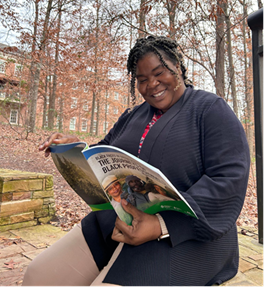 Growing up in a middle-class home, Michelle Cole dreamed of becoming an accountant. “I must be honest, a green career was not my first choice.” But thanks to her mentor, she ended up finding her green path.
Ron Smith, who now works for Tuskegee University, used to work for the USDA Forest Service. He shared with Michelle that organizations like the Forest Service need accountants, too. He encouraged Michelle to attend a forestry camp in Florida. “I really liked the camp and all the things it had to offer; however, I still wanted to be an accountant.” It wasn’t until Ron convinced Michelle to take an introductory forestry course in college that everything changed.
“I got an A and never looked back. The next thing I knew, I had an internship in Sheffield, Pennsylvania, and boom! Green career, here I am! I landed one forestry job after the next and finally carved out where I was always supposed to be.”
In Michelle’s work, she has seen the direct impacts of The Journeys of Black Professionals in Green Careers. “The most inspiring thing about the guide for me was seeing all the people who looked like me, people that I knew who had careers in the green industry, and they were doing what they were passionate about. As I turned the pages, I said to myself, ‘I taught him in that class; I worked with her on this project.’ It brought me full circle in my career, and I love it. We are a small niche, but we are here for each other. I was in awe of the guide and was thankful that someone took the opportunity to feature natural resource professionals.”
Michelle is an urban forestry expert and academic administrator in the College of Forestry, Wildlife and Environment at Auburn University and advises all the forestry and natural resource management students, the Auburn community, and beyond through MANRRS (Minorities in Agriculture Natural Resources and Related Sciences). “I am most hopeful that we will continue to create the next generation of natural resources scientists. Working with MANRRS helps create those connections in professional development.”
Michelle’s advice to the next generation is this: “Take the leap of the unknown. Think outside the bark. Have an open mind about a green career path. My green career has taken me to some pretty amazing places, opportunities, and spaces that I thought were out of my reach. Trust and believe that there is an opportunity out there that has your name on it. It may not be what you thought you would be doing, but everything that you needed! Take that leap!”
Amari Parker and Hannah Padgett
High School Students

 Just like Michelle’s mentor pointed out, a green job doesn’t mean you have to be working in the forest. Whether you want to pursue a career in communications, human resources, accounting, or law…your job can still be green! There are so many organizations within the forest and conservation sector needing your talents!
Amari Parker, Vice President of the Junior MANRRS program at Auburn University, is planning to pursue law school. “I’ve always wanted a career in the legal industry where I could assist others.”
Hannah Padgett, President of the Junior MANRRS program at Auburn, is following her dream of going into medicine, where she hopes to become a dermatologist and eventually own her own practice.
Through being a part of Junior MANRRS, both Amari and Hannah learned about green jobs. But after reading The Journeys of Black Professionals in Green Careers, both students discovered just how many more green career opportunities there are.
For Amari, “The most inspiring thing about the Journeys guide was being able to read and learn about the different people who look like me and have found happiness inside their green careers.” Hannah felt “The most inspiring thing to me was seeing all of the African Americans working in this field.”
Amari hopes that more people in his generation “will be open to learning more about green career paths and pursuing careers they are passionate about and love.”
And even if students don’t pursue a green career, they can still be inspired to take care of our planet. Hannah hopes her generation “will do all we can to make the earth a safer and better place.”
Janaki Alavalapati, Ph.D.
Emmett F. Thompson Endowed Dean of the College of Forestry, Wildlife and Environment at Auburn University
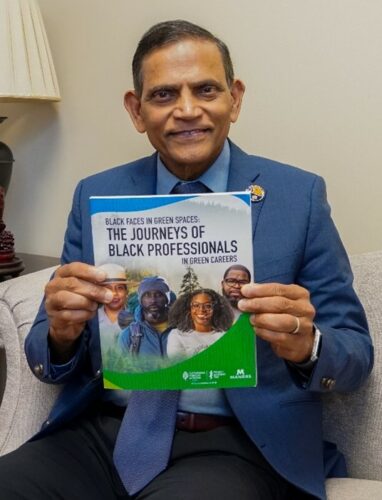
Dr. Janaki Alavalapati was born and raised in a rural community where he developed a passion for farming and natural resources. He went on to obtain master’s degrees in botany and forestry, getting his first job working for a state forest service agency in India. “After moving to North America, I continued my efforts in advancing higher education related to forestry, wildlife and the environment.”
Today, Dr. Alavalapati leads the world-class College of Forestry, Wildlife, and Environment at Auburn University in Alabama. He is helping develop the next generation of natural resources professionals. “The future of the environment lies in sustainable management and conservation of agricultural and forested landscapes. The youth, considered as our next generation, will significantly influence the ways we produce, consume, and distribute goods and services. These activities will have direct implications for conservation of natural resources.”
He is hopeful that more young adults will choose green careers. “Anyone who is interested in and passionate about natural environments, green career paths [such as] forestry, wildlife conservation, environment-society interface offer a great promise. The importance of these areas for social, economic, and environmental well-being at local, state, national, and global is growing leaps and bounds. Youth in these career paths would be in the front and center of analyzing complex issues and finding practical solutions.”
Resources like The Journeys of Black Professionals in Green Careers guide help increase the visibility of these types of careers, opening a whole new world of possibilities for students and young adults. “The Journeys guide provides youth with valuable information about green career pathways. More importantly, the featured stories in the guide inspire youth to embrace green jobs. Since governmental, non-governmental, and private organizations are increasingly seeking professionals from minority groups, I am very hopeful that the Journeys guide will stimulate the supply of minority professionals.”
 It’s up to us to have conversations with young people and expose them to various career paths. Find out what makes a person tick, what they’re passionate about, and what their strengths are.
- Do you love writing? Communications and marketing are green jobs!
- Do you love numbers? Accounting and finance are green jobs!
- Do you love wildlife? Biologists are green jobs!
- Do you love teaching? Educators are green jobs!
- Are you fascinated by building designs? Architects are green jobs!
Just think of the endless opportunities. As Dr. Alavalapati said, there are government, non-government, and private organizations that need the talent and passion of this next generation!
Let’s get those conversations started. Explore green careers with your students using PLT’s suite of career education resources, including Black Faces in Green Spaces: The Journeys of Black Professionals in Green Careers, Green Jobs: Exploring Forest Careers Educator Guide, and Find Your Green Job: Youth Personality Quiz
The post Inspired Journeys appeared first on Project Learning Tree.
]]>The post Celebrating Nature through Literature by Indigenous Authors appeared first on Project Learning Tree.
]]>PreK-Grade 2
 Berry Song
Written and illustrated by Michaela Goade
In her beautifully illustrated book, Berry Song, author and illustrator Michaela Goade celebrates the gifts of the forest with wisdom, gratitude, and kinship with the land. Take a look at this full review, plus ties to PLT activities, from PLT’s Alaska State Coordinator, Molly Gillespie.
 A Family Tree
Written by Staci Lola Drouillard
Illustrated by Kate Gardiner
Gardens are full of magic and beauty, and in this story, Grandma’s garden is home to a spruce tree one little girl falls in love with. When her grandparents decide to move, Francis asks to bring the tree to their new home. This sweet story shows how a family (and its favorite tree) adapts to change.
 Remember
Written by U.S. Poet Laureate Joy Harjo
Illustrated by Caldecott Medalist Michaela Goade
In this beautiful poem, children are invited to slow down, take a deep breath, and express gratitude for our wonderful world. We are all interconnected – to each other and the earth.
 The Water Walker
Written by Joanne Robertson Misko Anungo Kwe
Follow the journey of an Ojibwe Nokomis grandmother as she walks around the Great Lakes to raise awareness of water, one of nature’s most precious natural resources. She inspires others to protect water and our planet for future generations.
Grades 3-5
 Keepers of the Earth: Native American Stories and Environmental Activities for Children
Written by Michael J. Caduto and Joseph Bruchac
In this collection of stories, readers learn about the rich culture of Indigenous Peoples and explore hands-on environmental activities that deepen children’s connection to nature.
 Native Plant Stories
Written by Michael J. Caduto and Joseph Bruchac
Through mythical stories, students learn just how important plants are to the everyday life and traditions of Indigenous Peoples in North America.
Grades 6-8
 Indigenous Ingenuity: A Celebration of Traditional North American Knowledge
Written by Deidre Havrelock and Edward Kay
Learn about the many scientific discoveries and inventions created by Indigenous North Americans in this book, including forest fire management.
 Imaginary Borders
Written by Xiuhtezcatl Martinez
Illustrated by Ashley Lukashevsky
In this book by 19-year-old Indigenous climate activist, hip-hop artist, and Youth Director of Earth Guardians, Xiuhtezcatl Martinez inspires young people to take action for our environment.
High School / Young Adult
 Braiding Sweetgrass for Young Adults
Written by Robin Wall Kimmerer
Adapted by Monique Gray Smith
Illustrated by Nicole Neidhardt
In this adaptation of the best-selling book Braiding Sweetgrass, the Indigenous wisdom, scientific knowledge, and lessons we can learn from plant life all around us are shared with the next generation of environmental stewards.
 A Guide to Green Jobs in Canada: Voices of Indigenous Professionals
by Project Learning Tree Canada
This downloadable book features 12 stories from First Nations and Inuit leaders working in the forest, conservation, and parks sectors across Canada. Learn what inspired these individuals to pursue green careers and lessons they learned from their experiences.
The post Celebrating Nature through Literature by Indigenous Authors appeared first on Project Learning Tree.
]]>The post Mentorship: Nurturing the Next Generation of Green Leaders appeared first on Project Learning Tree.
]]> Have you ever stopped to think about the individuals who have positively impacted you over the course of your career? Your life? The people who helped shape the path you’re on, who served as a sounding board, who guided you through rough waters?
We all need mentors. We all can be mentors.
Mentors profoundly impact the lives of others. They inspire, they introduce, they encourage, they support.
Whether you’re a 5th grade teacher, a university professor working with preservice teachers, an executive director of a nonprofit, or a natural resource professional, you can nurture relationships with the next generation of green leaders.
It doesn’t matter about your background or level of experience. What matters is your kindness, openness, and willingness to be a mentor. You may be just what someone else needs to jumpstart their future.
Fostering Relationships
Through PLT’s educational and career exploration resources that enable educators to introduce learners to various green jobs to SFI/PLT Canada’s Green Mentor Program, we are committed to educating and mentoring young people to connect them to their desired pathway, growing the next generation of forest and conservation leaders.
Personally, I am passionate about mentorship. As SFI’s Career Readiness Manager, I have witnessed the pivotal role of mentorship in advancing career pathways in forestry and conservation. The mentors in our program, established leaders with extensive networks and knowledge, play a crucial role in guiding and supporting our mentees in growing their career pathways. Our Green Mentor program ensures young professionals know the diverse opportunities available locally and binationally, strategies to advance their career pathways, and tips to grow their networks.
Former Green Mentor program participant and mentee, Kianna Bear-Heatherington, shared that “This experience helped shape me into a greater agent of change and given me more accountability in my life.” Like Kianna, other mentees have shared similar experiences and expressed immense gratitude for the bonds they have made with their mentors.
PLT’s Career Exploration Resources
 So many young people are only aware of careers like doctor, lawyer, engineer, or police officer. That’s why introducing learners to a wide variety of jobs starting at an early age is ideal. You can open their eyes and spark interest in new possibilities!
Did you know that PLT’s PreK-12 instructional materials include information about various careers?
- In Trees & Me: Activities for Exploring Nature with Young Children, you’ll find an “Explore Careers” section in each activity.
- In our flagship curriculum, Explore Your Environment: K-8 Activity Guide / Explora tu Ambiente: Guía de Actividades K-8, we have a “Career Corner” / “Profesiones” section in the activities.
- PLT’s Green Jobs: Exploring Forest Careers, Black Faces in Green Spaces: The Journeys of Black Professionals in Green Careers, and Find Your Green Job: Youth Personality Quiz are amazing resources for older students to learn about jobs in sustainability, forestry, and conservation.
Be the person who introduces a 5-year-old to forestry or opens a teenager’s eyes to a future as a wildlife biologist. Nurture a relationship with a college student and help them explore a career in environmental education.
There are endless green job opportunities out there, and you just never know how you may inspire and impact the career trajectory of someone!
The post Mentorship: Nurturing the Next Generation of Green Leaders appeared first on Project Learning Tree.
]]>The post People of PLT | Celebrating Leaders in Education appeared first on Project Learning Tree.
]]>Imagine a classroom filled with students, their eyes gleaming with excitement as they engage in hands-on activities that connect them to nature and the environment. This is the reality that PLT Facilitators Jennifer Rude and Jennifer Ortega have brought to life. We are proud to honor them as our 2024 PLT Leadership in Education awardees. We will be celebrating these two individuals at this month’s joint PLT, Project WET, and Project WILD Annual Conference in San Antonio, Texas!
Jennifer Rude – Teacher, Twin Lakes Elementary School, Idaho
 Jennifer Rude’s journey with PLT began over a decade ago, and since then, she has become a pivotal figure in promoting environmental education across Idaho. As a PLT facilitator, Rude has gone above and beyond to spread awareness and empower educators to integrate hands-on PLT learning experiences into their teaching practices. Her tireless efforts have transcended geographical boundaries, bridging the gap between urban and rural communities in Idaho. By conducting facilitator trainings and fostering collaborations among educators, Rude has ensured that PLT reaches students, teachers, families, and communities statewide.
“Jennifer is a person who says ‘yes,'” shares Michelle Youngquist, the Idaho PLT State Coordinator. “Yes, to being a PLT facilitator. Yes, to being her region’s ‘go-to’ PLT leader, equally comfortable leading activities for at-risk youth or adults at a Forest Owner Field Day.”
Jennifer Ortega – Lecturer, Cal Poly Humboldt, California
 Jennifer Ortega’s journey with PLT is characterized by her passion for environmental education and commitment to nurturing future educators. Over the past 12 years, Ortega has been instrumental in promoting PLT programs and advocating for environmental literacy in California. As a lecturer at Cal Poly Humboldt, she has not only incorporated PLT curriculum into her own teaching, but has also inspired countless pre-service teachers to embrace nature-based learning experiences. Ortega’s impact goes beyond the classroom, as she actively participates in PLT’s statewide advisory committee and pre-service educator community, contributing her expertise and insights to enhance the program’s reach and effectiveness.
“Jennifer has been a leader on the California PLT team for over a decade,” says Cynthia R. Chavez, the California PLT State Coordinator. “She is a joy to work with–her passion for education is transparent in every conversation.”
Congratulations to all this year’s award recipients and nominees!
Bring PLT Into Your School or Community

Join our growing network of educators who are empowering the next generation of environmental stewards today! With over 1,200 PLT workshops held nationwide each year, organized locally by PLT’s state programs and led by trained PLT facilitators, there are plenty of opportunities for you to get involved. Whether you’re seeking online or in-person professional development workshops or aspiring to become a PLT workshop facilitator, visit www.plt.org/your-state-project-learning-tree-program/ to connect with PLT in your state.
The post People of PLT | Celebrating Leaders in Education appeared first on Project Learning Tree.
]]>The post Black Environmental Changemakers: Honoring Hidden Figures and Contemporary Leaders appeared first on Project Learning Tree.
]]>Legacy of Pioneers
 George Washington Carver: Biomimicry and Crop Rotation
In the late 19th and early 20th centuries, George Washington Carver emerged as a trailblazer in environmental science. Carver’s groundbreaking work in crop rotation revolutionized resource conservation. His understanding of nature’s interconnectedness, expressed through biomimicry principles, emphasized the importance of considering long-term consequences in any action. Carver’s legacy extends beyond his innovations; it is a testament to the importance of sustainable agriculture and resource management practices.
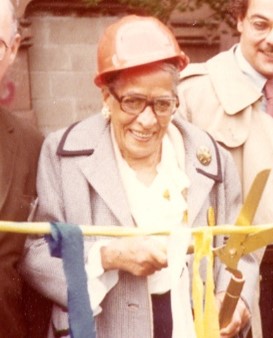 Hattie Carthan: Urban Environmental Justice
During the 1930s-70s, Hattie Carthan, a community organizer in Brooklyn, became a trailblazer in urban environmental justice. Her efforts focused on planting trees, establishing community gardens, and combating pollution in Brooklyn’s Bedford-Stuyvesant neighborhood. Carthan’s work led to improved sanitation, air quality, and increased green spaces, showcasing the transformative power of community-led environmental initiatives.
Photo donated by Bernice Green to the Brooklyn Public Library. Photographer unknown
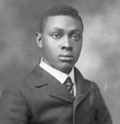
Ralph E. Brock: First African-American Forester
Ralph E. Brock, the first African-American forester, graduated in 1906 from the Pennsylvania State Forest Academy. His pioneering work with the U.S. Forest Service and West Virginia Conservation Commission involved groundbreaking research on managing eastern hardwood forests. Brock’s legacy paved the way for future generations of Black foresters and conservationists. © Penn State Mont Alto Library Archives

Melody Mobley: Breaking Barriers in Forestry
In 1986, Melody Mobley shattered barriers by becoming the first Black female professional forester hired by the U.S. Forest Service. Mobley’s journey extended to earning a Ph.D. in silviculture, making her an inspirational leader advocating for diversity in natural resource fields. Her achievements highlight the importance of breaking gender and racial barriers to create a more inclusive and equitable environmental sector. © Photo by Kirth Bobb
Contemporary Leaders
Carolyn Finney, PhD: Bridging Identity and Environmentalism
Carolyn Finney, a storyteller, author of Black Faces, White Spaces: Reimagining the Relationship of African Americans to the Great Outdoors, and a cultural geographer, works to develop greater cultural competency within environmental organizations. Her efforts challenge media representations of difference and aim to increase awareness of how privilege influences environmental discourse. By emphasizing the importance of diverse perspectives, Finney contributes to a more inclusive environmental movement.
View this post on Instagram
Georgia Silvera Seamans: Urban Forestry Advocate
As the founder of Local Nature Lab and a member of #BlackBotanistsWeek, Georgia Silvera Seamans designs urban ecology programs for New Yorkers of all ages, emphasizing the importance of city trees. Seamans’ work showcases the vital role urban forestry plays in creating sustainable and resilient cities, challenging the traditional perception of environmentalism as a solely rural concern.
Alexis Nikole Nelson: Foraging Advocate
TikTok | Instagram | YouTube | X
Known as the “Black Forager,” Alexis Nikole Nelson gained prominence for her social media presence highlighting foraging finds and sustainable cooking techniques. Her engaging videos on TikTok and Instagram showcase her encyclopedic knowledge of foraging and contribute to a deeper understanding of the indigenous roots of foraging in America. Nelson’s work promotes a connection between people and the land while advocating for sustainable practices in food sourcing.
View this post on Instagram

 (@blackforager)
Dr. Beverly Wright: Champion of Environmental Justice
Dr. Beverly Wright is an environmental justice scholar and advocate who has dedicated her career to addressing environmental harm and health inequities. She is the founder of the Deep South Center for Environmental Justice. Through her work, Wright highlights the disproportionate impact of environmental issues on marginalized communities and advocates for policies that prioritize justice and equity.
Dr. Ayana Elizabeth Johnson: Environmental Justice Scholar
A marine biologist and policy expert, Dr. Ayana Elizabeth Johnson co-founded The All We Can Save Project and the nonprofit Urban Ocean Lab. Through her podcast “How to Save a Planet,” she asks the big questions about climate change, emphasizing the need for action. Johnson’s multidisciplinary approach bridges the gap between science, policy, and activism, advocating for comprehensive solutions to environmental challenges.
View this post on Instagram
Black In Environment: Contributing to the Visibility of Black Environmentalists
Instagram | YouTube | X | Facebook
“Black in Environment,” a nonprofit with a mission to build community for Black people in environmental spaces. Their work aims to counter the false narrative that Black people do not care about the environment by highlighting the multigenerational presence of Black individuals in the environmental movement. Through scholarship, activism, and engagement, this organization contributes to a more inclusive and representative environmental sector.
View this post on Instagram
Created by Project Learning Tree, the Sustainable Forestry Initiative, and Minorities in Agriculture, Natural Resources and Related Sciences, Black Faces in Green Spaces: The Journeys of Black Professionals in Green Careers guide is designed for middle and high school students, pre-professional youth, parents, and natural resource professionals looking to increase diversity within the natural resources professions.
During Black History Month and beyond, we aim to amplify diverse voices and perspectives in the environmental space.
The post Black Environmental Changemakers: Honoring Hidden Figures and Contemporary Leaders appeared first on Project Learning Tree.
]]>The post Ways to Give Back to Your Community on Martin Luther King, Jr., National Day of Service appeared first on Project Learning Tree.
]]> Did you know that Martin Luther King, Jr. Day is the only federal holiday designated as a National Day of Service? On January 15, 2024, we can volunteer as a way not only to honor the legacy of Dr. King but also to come together to improve our communities.
There are many ways, big and small, to give back.
Here are some service projects you can do with the youth in your life. Some of these activities may require coordination with others in your community or school.
10 Community Service Project Ideas

1. Plant a tree. Trees are invaluable assets to our communities, providing shade, cooling streets and buildings, providing homes for animals, and contributing to a community’s sense of place. Be sure to research which trees are best to plant in your area.
2. Become a Green Ribbon School. The U.S. Department of Education’s Green Ribbon Schools initiative recognizes schools for their sustainability efforts. Learn more about what it takes to become recognized and how PLT’s GreenSchools resources can help your school become greener and healthier!
3. Achieve Tree Campus K-12 Recognition. PLT partnered with the Arbor Day Foundation to provide curriculum resources that support schools interested in achieving Tree Campus K-12 recognition. Learn more about how your school can get involved.
4. Organize a litter cleanup. Pick up trash around your school, neighborhood, park, or shopping center. Grab a trash bag, some gloves, and head outdoors to clean up litter. This is a great teaching opportunity about the importance of putting trash and recyclables into proper receptacles. Not only does trash pollute waterways, forests, and our communities, but many animals think those tiny pieces of plastic or foil are pieces of food.
5. Plant a school or community garden. Gardens are a wonderful way to attract amazing pollinators – bees, birds, bats, and butterflies! Plus, if you plant a vegetable garden, you can share the fruits (or veggies in this case) of your labor with a local food bank.
6. Start a recycling program at your school. If you don’t yet have one, now is the perfect time to start a recycling program on campus. Teach students how they can reduce their waste with the Reduce, Reuse, Recycle activity from the Explore Your Environment: K-8 Activity Guide.
7. Make greeting cards out of homemade paper. You can send them to your family and friends, or even deliver kind messages to residents at a senior living center. Check out the Make Your Own Paper activity from the Explore Your Environment guide.

8. Design and paint a nature-themed mural at your school. For those cold, wintery days when children are cooped up indoors, design a nature mural that all can enjoy. Get creative and channel your inner artist!
9. Coordinate a food drive to donate to a local food bank. Contact your local food bank to see what items they need most. Many need non-perishable food items like canned food or monetary donations.
10. Help remove invasive species around your school or community. If you live close to a national park, many of them have volunteer opportunities on MLK Day to remove invasive species. Learn more about invasive species and what you can do to help.
Other Ways to Get Involved
Be sure to look for volunteer opportunities through your local parks and recreation department, at state or national parks, and other community-based organizations.
Americorps: https://americorps.gov/serve/volunteer/mlk-day
Points of Light: https://engage.pointsoflight.org/
Youth Service America: https://ysa.org/campaigns/mlkday/
Idealist: https://www.idealist.org/en/volunteer?actionType=VOLOP&q=mlk
National Park Service: https://www.volunteer.gov/s/global-search/FILTERNPS
The post Ways to Give Back to Your Community on Martin Luther King, Jr., National Day of Service appeared first on Project Learning Tree.
]]>The post Earth Day 2023 – Investing in Our Planet and Our Students appeared first on Project Learning Tree.
]]>
When my kindergarten teacher had us create a “career collage”, she broke the news to me that she couldn’t find a picture of a frog catcher. So heartbroken, five-year-old me settled on becoming a doctor, and that trajectory lasted through my second year in college until I realized that it wasn’t the right path for me. But my love of nature and our planet remained steadfast – I was co-chair of the recycling committee in middle school, was president of our environmental club in high school (thanks to my biology teacher who inspired me to join), and now I organize clean-up events in my community.
Finally, at age 40, I am truly pursuing my passion for the environment with Project Learning Tree. I hope I made Mrs. Richards proud!
Why am I telling you all of this? Because, as educators, you have a tremendous influence on the learners in your life.
This month, as we celebrate Earth Day 2023 and the theme of investing in our planet, I encourage you to invest in the next generation of green leaders. When we expose youth to various career paths, their worlds expand. Many kids don’t realize that there are many rewarding, impactful jobs in nature. Whether they become an urban forester, sustainability manager, park ranger, wildlife biologist, or environmental educator, there is something for everyone.
 Explore Green Career Paths
If you haven’t incorporated career discussions into your conversations with learners, now is the perfect time to start! Did you know that all PLT activities tie back to various green careers?
For the littlest learners ages 1-6
- PLT offers an “Explore Careers” section in each activity of Trees & Me: Activities for Exploring Nature with Young Children.
For learners in grades K-8
- And the Explore Your Environment: K-8 Activity Guide includes 50 hands-on, multidisciplinary activities with inspiration and information about green career paths suggested by the activities.
For educators to use with learners ages 12-25
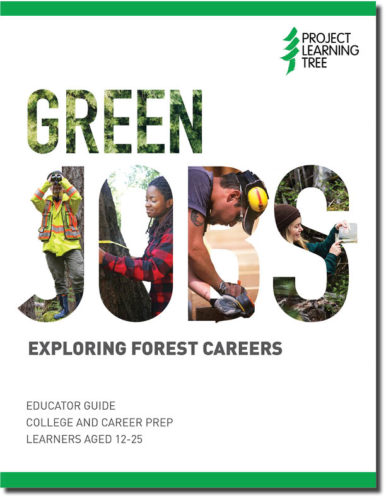
- PLT’s Green Jobs: Exploring Forest Careers guide, includes four hands-on instructional activities that help young people research different forest sector careers. Watch this video to learn more about the 80-page resource, available as a printed guide or e-book.
I queried the PLT team to find out their favorite PLT activities and the careers featured in each activity.
- Media Coordinator, Community Planner, Forester, Environmental Lawyer – In the activity Decisions, Decisions from Explore Your Environment, students work together to compare options for using a piece of land. They explore consequences and learn how communities solve problems and make decisions. “I find it an empowering activity that lets students know they can have an impact on what happens in their community.” – Lydia
- Nature Artist – In the activity The Shape of Things from Trees & Me, children search for the shapes and colors that define our natural and built environments. It incorporates art, music, movement, outdoor exploration, food, and even math. “I really enjoyed the Dance with Leaves extension of this activity. It was really great.” – Danika
- Forester, Natural Resource Economist – In If You Were the Boss from Explore Your Environment and Green Jobs: Exploring Forest Careers, students generate a plan for managing a forested area and conduct a cost-benefit analysis on potential environmental, social, and economic effects of their plan. “It allows people to put themselves in different shoes and think about different perspectives. I did a version of it with a forestry camp and felt like it gave learners the best experience on decision-making and negotiation.” – Jess
- Arborist – In Every Tree for Itself from Explore Your Environment, students model how trees compete to meet their essential needs and learn how varying amounts of light, water, and nutrients impact tree growth. “It includes movement, it’s fun, and really helps learners understand why sometimes it’s advisable to cut down trees.” – Ana
- Forestry Technicians, Climate Scientists, Urban Foresters – In Tree Cookies from Explore Your Environment, students examine cross sections of trees and infer from a tree’s rings the environmental conditions it might have experienced. “I did a version of the activity with my son’s Kindergarten class and loved the enthusiasm and excitement the kids had as they worked together to make hypotheses about a tree’s life and the environment in which it lived. They were all so interested in learning about how trees grow and thrive.” – Me (Megan Annis)
Whether you work with 5-year-olds or 15-year-olds, now is always the right time to encourage them to explore a green career path. When we invest in our students, we invest in our planet. The future is bright and green!
 Earth Month 2023 Special Promotion
During April and May 2023*, get 20% off of the Green Jobs: Exploring Forest Careers printed or digital guide and the Find Your Green Job online quiz. Use promo code GREENJOBS at checkout and begin exploring the possibilities with the young people in your life.

The Green Jobs: Exploring Forest Careers guide provides educators with four engaging activities that help youth research different forest sector careers to learn what it takes to perform these jobs, and practice managing and monitoring forest resources. Have your students take the Find Your Green Job quiz that matches their personality with an array of green job opportunities.
To further inspire your students, share the stories of diverse professionals from our newest guide, Black Faces in Green Spaces: The Journeys of Black Professionals in Green Careers.

Learn more about the promotion and access a free PLT activity to encourage learners ages 12-25 to explore the various career opportunities in the forest sector this Earth Day!

*The Green Jobs Earth Month promotion is valid until 11:59 P.M. ET, May 31, 2023.
The post Earth Day 2023 – Investing in Our Planet and Our Students appeared first on Project Learning Tree.
]]>The post This Woman’s Place is in the Forest appeared first on Project Learning Tree.
]]>
Every March, we celebrate two special days – International Women’s Day and International Day of Forests. We’re excited to highlight Brenda Haskill, who has shared her story of being a woman working for the woods.
I’m lucky to have developed an early love for the forest.
I was raised in a logging family, and my mom started driving the logging truck for our business when I went to kindergarten. Every time I smell fresh-cut wood, see sawdust and hear a diesel engine while out on a harvest site in the forest, I am transported back to those early years.
It never occurred to me as a child that there were perceptions about what women could not or should not do as a career. Reality set in during college. When I attended Michigan Technological University in the late 1980s to obtain a Bachelor of Science degree in forestry, there were five women and around 35 men in the program.
Unfortunately, diversity has not expanded much in the past 30 years of my career, and the percentage of women and minorities in forestry is still sadly low. As of 2019, women represented just 16% of forestry and conservation professionals in the United States, according to the Society of American Foresters.
When people find out I’m a forester, I often get asked if I’m a “ranger.” In most of North America, a ranger is a person we meet at our parks and campgrounds who helps care for the facilities and assures we all enjoy our time spent at them.
Since I’m not a ranger, the next question is, “So, what’s a forester?”
Foresters care for and manage forests and trees to suit desired outcomes.
We are urban foresters, consulting foresters, state government foresters, and more. We have a deep love for trees and the forested landscape.
Traditional foresters manage tracts of land with specific goals. Sometimes, that’s to provide a haven for wildlife. Other times, it’s for timber production to create income opportunities. On other occasions, it’s to help the forest be as healthy as possible. We also often manage for a mixture of all those outcomes, depending on who owns the land.
Just like other professions, there are various branches (pun intended) of forestry.
 When my career began, if you studied forest management, you were a forester. Foresters can now study ecology, ecosystems, environment, hydrology, engineering, and many more specific courses of study.
Working as a woman in forestry has difficult days. Even now, I am occasionally mistaken for a secretary and asked if male colleagues could better talk about the issues at hand.
But as I walk into meetings with a hard hat and 30 years in my profession, I enjoy watching the faces of sawmill owners and loggers as I share my experience and discuss industry specifics like lumber thickness, logging site complications, and trucking issues.
Their surprise at my expertise turns to curiosity and then to acceptance as they enjoy discussing the finer points of the forest industry with me.
Gender diversity is slowly growing in the sector, due in part to the efforts of groups like the Women’s Forest Congress and Women Owning Woodlands (a former Sustainable Forestry Initiative [SFI] grant recipient), both formed during the last several years.
The ownership of North American forests is shifting to include more women. Agencies and landowners are searching for women foresters to connect with and learn from as they own and manage their own forestland. The need for women foresters is growing every year.
We all have those days that make us question our career paths, but it’s easier to turn those days around when you’re spending time in the relaxing, deep cool green of a forest – and you get paid to do it.
We hear a great deal lately about forest bathing and how good it is for us to spend time outside, immersed in any part of nature. Just 15 minutes a day at your local park spent sitting under a tree, looking at a pond, or listening intently to birdsong provides numerous short and long-term mental and physical health benefits.
A career in natural resources can be the most rewarding path chosen because, as John Muir once wrote, “Into the forest I go, to lose my mind and find my soul.”
A day in the forest can quiet the mental noise in our brains and enrich our souls with all that surrounds us.
Learn more about green careers in forestry and conservation
- Read more stories from Michigan Department of Natural Resources employees and partners like Brenda at Michigan.gov/DNRStories.

- Discover green jobs best suited to your personality with Project Learning Tree’s free trial of the Green Jobs Quiz at plt.org/GreenJobsQuiz.
- The Green Jobs guide is the perfect tool to help young people ages 12-25 learn about green jobs in forestry and natural resource management in settings ranging from community youth programs and school classrooms to college and career prep, as well as field trips and forest tours.
- Explore types of green jobs and their many individual and collective benefits, browse free resources, and assess your STEM (science, technology, engineering, and mathematics) skills at org/WorkingForForests
- Check out SFI’s Chief Sustainability and Diversity Officer, Bettina Ring’s video celebrating the many contributions of women in forestry and natural resources conservation for International Women’s Day.
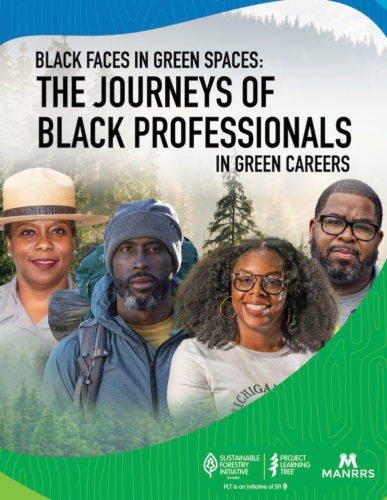
- The forest sector continues to struggle with workforce diversity, with a recent U.S. Census Survey finding that less than 3% of foresters and conservation scientists identify as African American. Help young Black Americans discover opportunities for rewarding careers in forestry and conservation with the Journeys of Black Professionals in Green Careers guide.
- Mentorship creates opportunities to share tips and resources, transfer skills, and boost the confidence of mentees and mentors alike! It’s important to support increasing mentorship opportunities for natural resource professionals and environmental educators, especially for women and young people from underrepresented communities. Learn more about how the PLT Green Mentor program connects young people ages 18-30 with green professionals across Canada and the United States to support the next generation’s efforts to build their forest and conservation knowledge and career goals—and gain new perspectives while you network!
Editor’s note: A version of this story originally appeared in the October 2022 weekly story series Michigan.gov/DNRStories published by the Michigan Department of Natural Resources.
The post This Woman’s Place is in the Forest appeared first on Project Learning Tree.
]]>