The post Five Hands-on Activities to Celebrate National Bird Day appeared first on Project Learning Tree.
]]>1. Together for Birds
In PLT’s activity collection, Together for Birds, learners in grades K-5 investigate how birds and other living beings depend on their habitats to survive. From exploring the environment where birds live to channeling creativity and inspiration through poetry, these activities will spark curiosity and instill an appreciation for the natural world.
2. View Birds in Real Life

There’s no better way to learn about birds than to head outdoors and view them in real life! Bring binoculars and head into nature to spot birds in action. Don’t have binoculars? Have some fun making your own out of recycled materials (see “The Shape of Things” activity in PLT’s Trees & Me: Activities for Exploring Nature with Young Children).
Too chilly to head outside? Check out Cornell Lab’s Bird Cams, where you can watch live cams from all over the world. You can also download the Merlin Bird ID app from Cornell Lab to record birdsongs and upload photos that help identify the birds you’re hearing and seeing!
Here are some additional tips to get started with urban birdwatching!
3. Build Like a Bird
Birds are quite the engineers when it comes to building their nests! Go full S.T.E.A.M. ahead and encourage little learners to engineer the perfect bird nest using items you can find outside (and inside). Check out the “Tree Textures” activity in PLT’s Trees & Me guide for a how-to on making a nest. Take it one step further and make a yummy edible nest as a special treat – you can find the recipe in the “Home Tweet Home” activity from Trees & Me!
4. Play Bird Bingo
Print out these fun bingo cards and get ready to put your bird spotting eyes on!

5. Participate in the Great Backyard Bird Count
Every February, people around the world count birds in their neighborhoods to help scientists better understand and protect birds. Learn more about this annual event and how you can get involved.
More Ways to Learn
Check out these children’s books about birds from our Recommended Reading list:
Watch this webinar by American Bird Conservancy, Project Learning Tree, and North American Association for Environmental Education to learn how to begin environmental investigations using birds to hone the practices of observation, discovery, and reflection.
Looking for more hands-on activities to bring nature into the classroom or take learning outdoors? Find inspiration at www.plt.org.
The post Five Hands-on Activities to Celebrate National Bird Day appeared first on Project Learning Tree.
]]>The post Sustainably Managed Forests & Wildlife Conservation appeared first on Project Learning Tree.
]]>Now, think about our environment. If a forest is not managed properly, natural resources might become depleted and overused and ecosystems can get out of balance, leading to habitat loss, or invasive species.
That’s why sustainable forest management and conservation – defined as “a careful preservation and protection of something (especially: planned management of a natural resource to prevent exploitation, destruction, or neglect)- are so vital to the health of forest ecosystems, especially when forests are home to 80% of the world’s terrestrial biodiversity!
And it’s never too late to celebrate Wildlife Conservation Day (December 4)! You can help young people and the community better understand conservation through Project Learning Tree hands-on activities, like “Monitoring Forest Health” from Green Jobs: Exploring Forest Careers.
In this activity for older students, learners will explore just what goes into keeping forests healthy so the plants, animals, and insects that rely on these diverse ecosystems can thrive. It’s a great way for learners to see how soil scientists, wildlife biologists, foresters, and other natural resource professionals monitor forests and work together to create a forest management plan.
A forest management plan addresses any health issues and ensures the long-term sustainability of the forest. (Check out the “If You Were the Boss / Si Fueras el Jefe” activity from PLT’s Explore Your Environment: K-8 Activity Guide / Explora tu Ambiente: Guía de Actividades K-8 to learn more about all the factors and impacts considered when creating a plan.)
Wildlife conservation is a key piece of this multi-faceted plan.
Here’s an over-simplified example:
 Let’s say a massive forest fire came through an overly dense forest and destroyed 90% of the trees in a forested area. That equates to a significant loss of habitat for wildlife like birds, bats, raccoons, deer, and bears that rely on mature living trees for food and shelter. Some of those animals perished in the fire, while others were displaced. They may migrate to another nearby forest (or a heavily populated area), and now, that area has more animals than the habitat can support, and there is not enough food to go around.
Had that forest been better managed (i.e. controlled burning or thinning of overgrown stands), the fire might have been less devastating and could have been beneficialto wildlife by creating more shelter and boosting berry growth (like huckleberry!).
Had that forest been better managed (i.e., through controlled burning or thinning of overgrown stands), the fire might have been less devastating and could have been beneficial to wildlife by creating more shelter and boosting berry growth (like huckleberry!).
Sustainable forest management is an important way to retain and restore ecological balance that allows wildlife to thrive even in the face of catastrophes like wildfire.
Looking for more resources to learn about conservation, sustainable forestry, and our environment? Visit shop.plt.org to access Project Learning Tree’s hands-on instructional materials.
The post Sustainably Managed Forests & Wildlife Conservation appeared first on Project Learning Tree.
]]>The post Everything is Here for a Reason – Celebrating Biodiversity appeared first on Project Learning Tree.
]]>Let’s celebrate the variety of trees, other plants, fungi and countless animals, from bears to beetles, that contribute to our biodiverse planet.
Why Biodiversity Matters
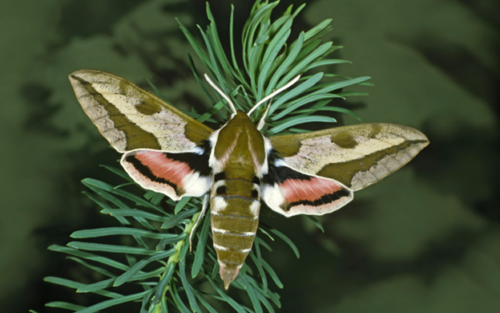
Sometimes my kids ask me why certain insects, like pesky mosquitoes, are around. My first response usually is, “Well, that’s a great question! I’m glad you asked!”
The answer is: Biodiversity matters. A lot! Every plant and animal, including insects, is a strand in the vast and complex web of life. Every species that exists today is connected to and dependent upon countless other species. Every ecosystem relies on constant interactions between living and non-living elements. Human well-being literally depends on the diversity of life.
Just think about it.
Plants need soil for water and nutrients, plus sunlight which allows them to manufacture food through photosynthesis. Those plants rely on animals like birds and bees to pollinate their flowers and disperse their seeds. They rely on decomposers like beetles and worms to cycle nutrients and keep soil fertile. In turn, the birds and bees need those plants for food and shelter. We rely on those animals and plants. We are all interdependent!
The loss of just one species can set off a chain reaction that affects all the others in an ecosystem. Whether species decline occurs due to habitat loss, disease, climate change, the introduction of invasive species, or something else, it’s important to do what we can to maintain Earth’s biodiversity.
Activities to Learn All About Biodiversity
Build a Bottle Biosphere
What better way to inspire future engineers than to design a model biodome using a bottle! In this STEM-based activity, students learn how living and non-living components impact one another in an environment.
Plant a Garden
Starting a garden is a great way to teach learners of all ages about biodiversity. We all know plants need air, water, and nutrients found in soil to sprout and mature. But what insects and animals rely on those plants? This activity is a fun way to get your hands dirty and investigate the biodiversity your garden supports. Are there certain types of bugs that flock to your tomato plants but leave strawberries alone? Do you tend to find hummingbirds in one specific area of the garden? Which pollinators are attracted to which plants?
Nature Journaling
Encourage students to be creative and channel their inner artist through nature journaling. This is a great way for learners of all ages and abilities to discover biodiversity. Spend some time outdoors—whether it’s your backyard, a schoolyard, or a park. Invite learners to draw what they see, from the variety of plants to birds, squirrels, bugs, and more that live there.
Watch a TED-Ed Video
Watch this short video, it’s a great primer to help learners understand why biodiversity is so crucial.
Be a Community Scientist: Take a Biodiversity Inventory
Free apps like iNaturalist, Seek, or Merlin Bird ID make it fun to identify various species of flora and fauna near you. Learn about the interconnectivity of native species and head outdoors for a nature walk to take photos or record birdsongs and then upload – it’s super simple! Not only can the app help you identify the species you document, but you are also adding to the data scientists use to understand biodiversity and how it is changing.
PLT Activities to Celebrate Biodiversity
Grades K-2
You can find these activities in Explore Your Environment: K-8 Activity Guide / Explora tu Ambiente: Guía de Actividades K-8
- Backyard Naturalist / Naturalista del Patio
- Trees as Habitats / Los Árboles como Hábitats
Grades 3-5
Find these three activities in Explore Your Environment / Explora tu Ambiente and in our digital activity collection, Biodiversity Blitz.
- Charting Biodiversity / Graficando la Diversidad
- Discover Diversity / Descubre la Diversidad
- Web of Life / Telaraña de la Vida
PLT’s e-unit Energy in Ecosystems is another incredible compilation of activities that investigate the ways in which organisms depend on each other to survive in ecosystems.
Grades 6-8
These activities for older learners are also in the Explore Your Environment / Explora tu Ambiente guides.
- Field, Forest, and Stream / El Campo el Bosque y el Arroyo
- Forest in the City / Bosque en la Ciudad
- If You Were the Boss / Si Fueras el Jefe
- Invasive Species / Especies Invasoras
- Life on the Edge / La Vida al Límite
Whatever activities you do, have fun exploring and celebrating biodiversity!
The post Everything is Here for a Reason – Celebrating Biodiversity appeared first on Project Learning Tree.
]]>The post Celebrating International Day of Forests & World Water Day appeared first on Project Learning Tree.
]]>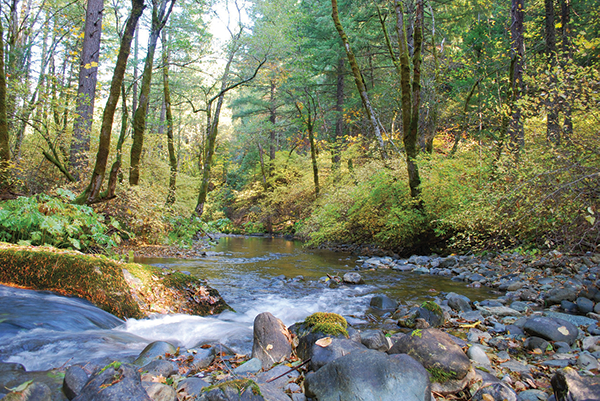
Have you ever stopped to think about how much you rely on forests? What about water? These natural resources support our everyday lives in so many ways.
That’s why we happen to think it’s no coincidence that International Day of Forests (March 21) and World Water Day (March 22) fall right next to each other on the calendar!
Trees & Water: A Mutually Beneficial Relationship
More than 80% of all terrestrial species of plants, animals, and insects call forests around the world H-O-M-E. Hello, rich biodiversity! But we humans also depend quite a bit on trees, too. Trees are our source of lumber, fuel, paper products, many foods, and some products you may have never guessed, like soap, cosmetics, cinnamon, and dyes.
And, of course, forests rely on water for obvious reasons – we all know plants and trees need water to grow. The wildlife, insects, fungi, and more that live in forests rely on the same water sources.
But did you know that forests aren’t just using up water? Trees give back – they are vital to the quality of our drinking water. They absorb rainfall, cool and cleanse water, reduce flooding, refill underground aquifers, and slow storm runoff. Nearly 80% of freshwater resources in the U.S. originate in forests!
 Activities to Explore Forests & Water
Here are some hands-on activities to celebrate International Day of Forests and World Water Day with the learners in your life.
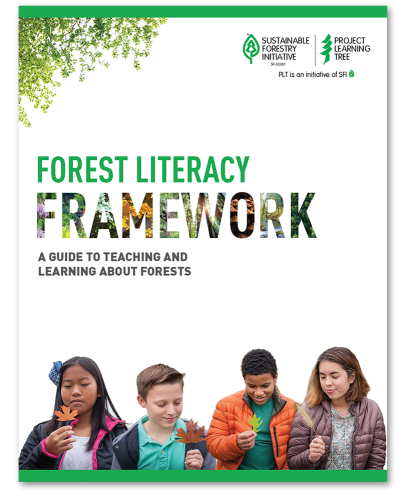
Forest Literacy Framework
Check out PLT’s Forest Literacy Framework, a guide to teaching and learning all about forests, why they matter, how we sustain forests, and our responsibilities to forests. Organized by grade level, the framework lays out age-appropriate concepts and activities to do with learners.
Early Childhood / Elementary School
Gratitude Tree
Have students build a gratitude tree out of construction paper, twigs, and small branches, and display it in your classroom. Students can write why we need trees and water or why they are thankful for these critical natural resources on cut-out leaves and drops of water. For example, on a leaf, you could write, “Thank you for being an important part of the process to make my drinking water clean!” or “Thank you for being the source of this construction paper!” Pair this with PLT’s K-2 activity “We All Need Trees / Todos Necesitamos a los Árboles” from Explore Your Environment: K-8 Activity Guide / Explora tu Ambiente: Guía de Actividades K-8 as you explore the many products that come from trees. For the littlest of learners, this is a fun activity to pair with “Three Cheers for Trees” from Trees & Me: Activities for Exploring Nature with Young Children.
Every Drop Counts
In the “Every Drop Counts / Cada Gota Cuenta” activity from PLT’s Explore Your Environment / Explora tu Ambiente, students in grades 3-5 monitor how much water they use (and waste) daily. They’ll identify ways to save water (i.e., reduce your shower by 5 minutes, turn the water off while brushing teeth, etc.) and implement their action plan.
Pond Viewers
If you are near a pond or creek, this fun activity lets learners peek underwater to see all the organisms living there. Maybe it’s algae or little bugs dancing on the water’s surface. This is a great learning opportunity to explain what you might see on and in stagnant water (like a pond) versus moving water (a creek or river) and how forests contribute to cleaner water quality.
Middle & High School
Field, Forest, and Stream
How do nonliving elements influence living elements in different ecosystems? In the “Field, Forest, and Stream / El Campo el Bosque y el Arroyo” from Explore Your Environment / Explora tu Ambiente, students in grades 6-8 conduct a field study of three different environments to understand how living organisms interact with non-living components like sunlight, moisture, and wind.
 Forests, Water & People Activity Collection
Last fall, we released our newest activity collection for high school students (with variations for grades 6-8). Featuring three investigation-based activities, students explore how communities rely on trees and water sources. Students use GIS technology, map community changes over time, and more!

You really can’t go wrong with any of PLT’s activities! There is something for every age to explore and celebrate International Day of Forests and World Water Day. Just get out there and have fun learning!!
The post Celebrating International Day of Forests & World Water Day appeared first on Project Learning Tree.
]]>The post All About Invasive Species appeared first on Project Learning Tree.
]]>Native vs. Non-Native Species
A native species is a plant or animal that naturally occurs in a certain area. The ecosystem is balanced because the plants and animals that live there have evolved with each other so they can coexist and maximize the resources that are available to them. Non-native species are organisms that are introduced to an area outside their natural range, but this doesn’t mean they necessarily cause harm to the ecosystem. Invasive species, on the other hand, are non-native species that spread rapidly, outcompete native species, and disrupt ecosystems.
For example, in an oak woodland area, you might find oak trees, native grasses, deer, burrowing animals, bats, various birds, and insects. But when an invasive species is introduced, for example non-native annual grasses, competition for resources increases creating an imbalance in the ecosystem. The presence of non-native grasses could create a lack of water for oak trees. If there are fewer oak trees because they’re dying from lack of water, acorn production decreases, meaning less available food sources for birds, squirrels, and other animals that rely on oak trees.
 This is why it’s so important to avoid planting non-native species in your garden. That creeping bellflower might look pretty, but it’s actually a noxious weed – a species that is so harmful to the ecosystem that although it may be out of control, it must be eradicated wherever it is found. For this weed, its extensive root system essentially chokes out the other plants around it.
Just think…if the wind picks up and blows some seeds from invasive plants in your garden, those could spread to your neighbor’s yard or down to the creek near your neighborhood, disrupting the entire ecosystem!
 You may have seen signs like these at beaches or waterways reminding boaters to check for aquatic invasive species like zebra mussels. Or perhaps you’ve spotted signs at trailheads asking hikers to check their boots, clothing, and backpacks for any invasive species that may have latched on from a prior hike (i.e., plant seeds or insect eggs).
Certain invasive animal species, like gray squirrels or American Bull Frogs – both of which are native to eastern North America but have spread much farther west all the way to the Pacific – carry diseases that can cause native species to get sick or die.
That’s why it’s so important for people to be aware of the impact invasive species can have and the role we play in preventing them from spreading.
Activities to Explore Invasive Species with Students
Pair the activities below with the “Invasive Species / Especies Invasoras” activity from PLT’s Explore Your Environment: K-8 Activity Guide / Explora tu Ambiente: Guía de Actividades K-8, perfect for learners in grades 3-8. You can also do the “Forest Invaders” activity from Focus on Forests with high school students.
Wildlife Wipeout Invasive Species Game
This game, using candy, a cup and dice, helps students understand just how quickly an invasive species can overtake native species in an ecosystem.
Invasive Species Desert Food Web Game
Roll the dice again with this fun activity that shows how losing just one connection in the food web due to an invasive species causes a chain reaction.
Meet the Invaders Game
In this activity from the USDA Forest Service, students learn, through a series of three simulation games, how invasive plants compete with native plants and overtake an ecosystem.
Help Remove Invasive Species
There are many organizations that host community service events to remove invasive species. Contact local tree foundations, plant societies, and other nonprofits to find out how to participate. You can also visit your state’s Department of Fish and Wildlife website to learn more about invasive species in your area. The National Park Service has some wonderful educational resources as well!
Invasive Species STEM Strategies
Check out PLT’s suggestions on how to engage students in STEM while they learn about invasive species.
The post All About Invasive Species appeared first on Project Learning Tree.
]]>The post People of PLT: Yasmeen Hossain, Oregon PLT State Co-Coordinator appeared first on Project Learning Tree.
]]> When you are teaching a group of students, you may or may not have insight into their backgrounds and experiences. But something we all have in common is that in one shape or form, we all have been touched by trauma. Everyone’s experience with trauma is different, which is why it is crucial to strive towards creating a supportive, safe space for people to learn.
This month’s People of PLT highlights the work that Yasmeen Hossain, Oregon PLT State Co-Coordinator and Associate Director of the Oregon Natural Resources Education Program, is doing to help educators incorporate a trauma-informed approach into environmental education.
What is Trauma-Informed Teaching?
Yasmeen shares, “In my experience there is no one whose life has not been affected by trauma in some capacity, whether their own experiences, those of loved ones, adversity impacting the community they live in, countries, regions or even the entire world (which was the case with the COVID pandemic). Trauma is pervasive. It is also often likened to an invisible wound. If someone has a broken arm that is in a cast, it signals to us that they are wounded. With trauma it is often not as noticeable. This is why it is important to apply a trauma-informed approach in all situations and in all interactions, including in educational settings.
Students, educators, staff, volunteers, students’ families–everyone can benefit from a trauma-informed approach.
In brief, trauma-informed education is a system-wide approach that recognizes the prevalence of trauma, how it impacts learning and teaching and aims to respond to trauma, prevent re-traumatization, and foster resilience.”
How Can Educators Better Support Learners Who May Be Experiencing Trauma?
This is an extremely complex and important topic, and while we’re only scratching the surface in this article, Yasmeen has a few helpful recommendations to get started.
“Often a trauma response stems from feeling overwhelmed, threatened, and that we have no control over our well-being. A trauma-informed approach aims to prevent and counteract this perception.”
A Language Shift
She suggests using inviting language instead of directive language.
With directive language, you’re telling, as though learners must do something and have no say. Examples of directive language include: “You should do this activity, you have to divide into groups, you will write an essay”.
Whereas, Yasmeen says, “Inviting language tells our brains that we have a choice in the matter. For example, “I encourage you to write an essay. I invite you to watch this documentary”. It is a small shift in language for the educator that can make a big difference for students.”
Expand Your Knowledge
The more you learn about trauma-informed teaching, the better you can support your learners.
In the PLT workshops that Yasmeen hosts, she utilizes a trauma-informed lens to not only plan the agenda but in the language and materials she uses to how she interacts with participants and leads activities. In certain workshops, such as ones about climate change or wildfire, Yasmeen incorporates the topic of trauma, sharing tools and strategies with educators to effectively lead these types of thematic lessons with their students.
We suggest checking out this free downloadable resource that Yasmeen created, Trauma-Informed Toolkit: A Resource for Educators. In it, she references PLT’s activity “Living with Fire / Viviendo con Fuego” from the Explore Your Environment: K-8 Activity Guide / Explora tu Ambiente: Guía de Actividades K-8 and the Nature of Fire activity collection as a case study of how to embed a trauma-informed approach into an existing lesson. You’ll also find helpful information about various types of trauma and toxic stressors, symptoms of trauma, trauma responses (i.e., fight or flight), and helpful ways to bring the nervous system back to normal (i.e., breathwork, being in nature, journaling, etc.).
Finally, we encourage you to seek out professional development workshops that specifically discuss trauma-informed approaches to education. The more you know and learn, the more empowered and comfortable you will be to bring those practices to your lessons or programs.
Additional Resources
Below is a (not exhaustive!) list of several resources to help you understand the various types of trauma and trauma-informed approaches to teaching.
- The National Child Traumatic Stress Network
- Tips for Addressing Climate Anxiety in Youth
- Trauma-Informed Practices
- What is Trauma-Informed Teaching and a Trauma-Responsive School?
The post People of PLT: Yasmeen Hossain, Oregon PLT State Co-Coordinator appeared first on Project Learning Tree.
]]>The post Activities to Explore Winter Ecology appeared first on Project Learning Tree.
]]>Have you ever stopped to think about how remarkable the environment is in winter? We often focus so much of our energy on other seasons when nature seems to be teeming with life, like when buds open up on trees in the spring, that we forget how incredibly adaptable living things are to the climate and their changing environment.
Winter ecology studies the inter-relationships between animals, insects, and plants with their habitat in the winter. In many parts of the country temperatures reach freezing (or well below) and you have lots of snow, whereas other areas receive ample rain with milder temperatures.
How do we adapt to our environment? As humans we might put on a warm jacket, gloves, and a hat before we go outside to brave the cold. Maybe you huddle around the fireplace and wear a few extra blankets. In Germany people say “there’s no bad weather, only bad clothing”—they know that winter environments still offer abundant outdoor learning opportunities! Looking for outdoor teaching tips during colder months? Molly Gillespie, Alaska’s PLT Coordinator, recently shared some ideas for teaching outdoors in the winter.
But for trees and other living things, they have a plethora of adaptations to survive winter conditions. Let’s explore some of these!
Tree Adaptations
One of the most fascinating things about trees is how they protect themselves from the elements. In the “Signs of Fall / Señales de Otoño” activity from PLT’s Explore Your Environment: K-8 Activity Guide / Explora tu Ambiente: Guía de Actividades K-8, students learn about the different pigments found in leaves and why leaves change color and drop in the fall.
 Trees have winter defense mechanisms in place. Evergreen trees, like pine trees, have various characteristics that allow them to survive cold, wind, and snow.
- Narrow Leaves – With narrower leaves, it’s a smaller surface area so that means they are less vulnerable to heavy loads of snow that might break a tree branch.
- Waxy Layer – Evergreen leaves are coated with a thick wax. Think of the wax like a warm blanket – it keeps the leaves from drying out during long winters.
- Scents and Sensibility – Well, we’re actually talking about the chemicals found in evergreen trees. Have you ever taken a deep breath in the forest and there’s a very specific scent, say pine, you smell? Those chemicals not only produce that characteristic scent, but they also act as an antifreeze of sorts. They prevent ice from forming inside of the leaves!
As I told my son’s TK class, evergreens stay “forever green” (sort of!), and deciduous trees “decide” to drop their leaves. It’s my silly little mnemonic device to help kids remember the differences.
Dropping leaves is another mechanism trees have in place to prepare for winter. Cold temperatures cause the cells at the base of each leaf stem to die which creates a barrier to keep water and nutrients from going into the leaf and instead remain in the tree’s trunk and branches. When the cells die, the leaves drop off trees and remain dormant throughout the winter.
Activities to Explore Trees in the Winter
The winter environment offers an abundance of learning opportunities for preschoolers and we’ve assembled our favorite 10 winter activities for preschoolers to enjoy outdoors.
Looking for other ideas? Check out these other fun evergreen tree activities to do in the winter.
Nature-Inspired Art
If you have evergreen trees nearby, such as pine, spruce, cedar, fir or hemlock trees, get creative by turning the leaves into paintbrushes and have fun turning nature into art! Here’s a helpful how-to that you can accompany with the “Evergreens in Winter” activity from Trees & Me: Activities for Exploring Nature with Young Children.
Tree Identification
Take your learners on a nature walk and try to identify different types of evergreen trees based on their leaves. You can also do the “Tree ID / Identificación del Árbol” activity from PLT’s Explore Your Environment: K-8 Activity Guide / Explora tu Ambiente: Guía de Actividades K-8 to learn how to identify difference tree species based on their features!
Nature Journaling
Invite learners to bring a notebook, pencil, and some crayons with them outdoors and encourage them to write down or draw what they see, hear, touch, and smell. Do they hear the sound of snow crunching underneath their boots? The whistling of wind through the trees? Do they see footprints of a rabbit or dear? Do they smell pine trees? Make a bark or leaf rubbing in the journal. Write poetry about how they feel in nature. Press leaves into the journal. The possibilities are endless! Nature journaling is a perfect activity to accompany the “Adopt-a-Tree / Adopta un Árbol” activity from Explore Your Environment: K-8 Activity Guide / Explora tu Ambiente: Guía de Actividades K-8. Encourage students to pick one tree in their schoolyard or near their home and notice the changes in every season. For little learners, make an Our Favorite Trees scrapbook in the “My Tree and Me” activity from Trees & Me: Activities for Exploring Nature with Young Children.
Animal Adaptations
 Just like trees have their own winter protections, so too do animals and insects – migration, hibernation, and resistance. Let’s learn more about each adaptation:
- Preparing for Winter – As the temperature outside begins to drop, noticeable changes take place all around us. All living things, including humans, must adapt to their environment in order to survive. Let’s take a closer look at how plants and animals prepare for winter.
- Migration – Why do some birds fly south for the winter? Why do monarch butterflies migrate to Mexico starting in October? Why do elk move from high in the mountains in the summer to the base of the mountains in the winter? Many animals move to warmer climates or lower elevations to have access to more food and shelter and milder weather. Even earthworms travel deeper and deeper into the soil for warmth!
- Hibernation –When I think of hibernation, I picture a grizzly bear in Alaska packing on the pounds by eating lots of salmon and berries and sauntering into a dark cave to go to sleep for the winter. But there’s so much more to hibernation than that. According to the National Park Service, hibernation is “a physical state where an animal’s body function slows down in order to conserve energy through a season of no food and water, and cold temperatures.” This means their heart rate and breathing slow down so they don’t use too much energy. All that fatty salmon the grizzlies eat keeps them alive. But bears aren’t the only animals that hibernate. Marmots, raccoons, and even some squirrels hibernate.
- Resistance – There are a variety of other ways different species survive the dropping temperatures. Many animals who live in cold climates are much larger, such as polar bears, which means they have a higher body-mass-to-surface ratio, allowing them to tolerate the cold. Another way animals regulate their temperature is by fluffing feathers out, huddling together in large groups, or staying warm inside trees/logs/caves. Some animals have thicker fur, shorter ears and tails, increase food intake to store more fat, or even change color. These adaptations help keep them warm, survive with less food, and avoid predators or hunt for prey.
Activities to Explore Animal Adaptations
How Animals Stay Warm
In this science experiment, students learn how blubber keeps animals warm in freezing temperatures.
Biodiversity Matters
In the “Charting Biodiversity / Graficando la Diversidad” activity from PLT’s Explore Your Environment: K-8 Activity Guide / Explora tu Ambiente: Guía de Actividades K-8, students play a Spice of Life game, teaming up to match different animals and plants based on their characteristics and how they adapt to where they live.
Now You See Me, Now You Don’t!
Learn about how camouflage keeps certain birds (and insects) safe from predators in PLT’s activity collection, Together for Birds.
Arctic Animals STEM Activities
Get crafty, curl up with a good book, and learn about the web of life with some fun STEM activities. From engineering a den for arctic animals to understanding how and why sea ice is melting, children can learn more about life in the Arctic. Pair these with the “Web of Life / Telaraña de la Vida” activity from Explore Your Environment: K-8 Activity Guide / Explora tu Ambiente: Guía de Actividades K-8.
Prepare to Be Amazed by Winter!
Just because winter tends to be a time when life is in “rest mode” doesn’t mean learning needs to slow down. Winter ecology is fascinating to study! If you can bundle up and head outdoors, get hands-on with nature outside. Otherwise, bring nature indoors and continue learning and exploring!
The post Activities to Explore Winter Ecology appeared first on Project Learning Tree.
]]>The post Welcome Students Back to School with These Eco-Friendly Activities appeared first on Project Learning Tree.
]]> With schools back in session, the start of a new year is the perfect time to encourage students to adopt eco-friendly habits that make a positive impact on the environment. From eco-conscious school supplies to creative projects using recycled materials, inspiring students to think critically about their environmental footprint can be both practical and engaging. These activities offer a great start to get students thinking about sustainability, with ideas that you can carry throughout the school year.
Make Eco-Friendly School Supplies
Create opportunities for students to embrace the idea of reusing, renewing, and recycling. It’s not just good for the environment but great for classroom unity, especially when students come to school with varying levels of need.
Here are some great ideas for eco-friendly school supplies:
- Use paper bags to create upcycled book covers.
- Turn old T-shirts into reusable pencil cases.
- Reuse old containers, like jars or cardboard tubes, for school supply storage.
- Design and then decorate reusable backpacks or tote bags using sustainable materials.
- Create notebooks, journals, or cards using recycled paper.
- Use cardboard boxes to construct DIY furniture like small desks, organizers, or shelving.
Set a good classroom example with teacher supplies, too. Come to the classroom with a reusable water bottle, choose eco-friendly art supplies, and opt for refurbished technologies when possible. Opt for writing tools made of sustainable materials. Grants from environmental organizations can make equipping your classroom in an eco-friendly way more possible.
Get Creative with Old Classroom Materials
Reusing school materials in fun, creative ways is a great way to reduce waste and boost 21st-century skills like innovation and critical thinking in your students. You can also explore ideas like fast fashion and sustainability by repurposing items that might otherwise end up in the trash. Teach your students about the impacts they can make choosing to reuse over buying new.
Here are a few ideas to find new uses for old materials:
- Cut plastic bottles into plant pots for growing classroom plants or personal herb gardens.
- Make an effort to collect and use old notebook pages as wrapping or DIY cards.
- Turn old marker caps that inevitably get loose in art supply bins into jewelry or string art.
- Reuse plastic binder covers or page protectors as mini dry-erase boards.
- Use old wooden rulers to make custom picture frames.
- Turn old staplers and other broken supplies into abstract sculptures, paperweights, or desk organizers.
- Weave old rubber bands together to create drink coasters.
- Repurpose binder rings into DIY keychains or mini photo albums by adding small pictures or charms through each loop.
Getting creative with old materials stretches budgets, too. Encourage resourcefulness with your students, especially when introducing projects that tap into their creativity.
Find STEAM All Around with Eco-Friendly Projects
Students are innately curious. Tap into that curiosity by showing them that connections to art (and science, technology, engineering, and math) are everywhere. These eco-friendly projects offer a great way to use natural materials with minimal impact on the environment and an eye on STEAM concepts to boost classroom skills. They can also help students see the beauty in the world around them and encourage resourcefulness.
Here are a few ideas to build STEAM connections with natural materials:
- Kick off the school year with fall-inspired art projects using pinecones, acorns, and fallen leaves.
- Use leaves to create activities for young learners like leaf sorting, scavenger hunts, and graphing.
- Create nature-inspired art year-round. Collect leaves, sticks, and other natural items for art projects that incorporate environmental elements.
- Gather plastic bottle caps or lids and turn them into colorful mosaics or murals.
- Turn old plastic bottles, spice jars, glass containers, and more into community bird feeders.
- Collect pencil shavings and use them to create textured artwork or collages.
- Use egg cartons, newspaper, toilet paper, and more for animal art projects that show off animal adaptations.
- Get hands-on with the “Make Your Own Paper / Haz tu Propio Papel” activity from Explore Your Environment: K-8 Activity Guide / Explora tu Ambiente: Guía de Actividades K-8. Using scraps of paper from the recycle bin, turn the old into new paper!
- Use sticks to lead students in STEM activities like building rafts, stick shelters, towers, and bird nests, all with connections to the natural world.
Integrating environmental projects into STEAM learning is future-thinking. It doesn’t just tap into important skills like problem-solving and innovation, it also helps them imagine a greener future.
Connect to Reading
You may already have plans to track your students’ reading throughout the year. Start a book club focused on environmental literature as a way to get more students reading. Prompt discussions on sustainability at meetups with your book club students.
Here are some lists that can get you started:
- Books on Recycling for Elementary Students
- Nature Books By Hispanic and Latino Authors
- Environmental Children’s Books Featuring BIPOC Protagonists
- Books About Trees for Elementary Students
- Environmental Stories for Black History Month
- Recommended Reading for Forest Lovers
- Energy: Reading for Grades K-2
- Energy: Reading for Grades 3-5
- Energy: Reading for Grades 6-8
- Environmental Justice: A Reading List for Teens
- Chapter Books for Environmental Advocates
- Middle-Grade Books About Environmental Activism
Foster a love of reading in your students and tap into environmental stewardship. Allow students to take the lead on discussions that follow about topics like conservation and the beauty of nature. With younger students, share stories about the environment that helps them create deeper connections. Engage in all their “why” questions along the way to help them develop empathy about the world around them through their curiosity.
Engage the School Community
Creating opportunities for the whole school to get involved in an eco-friendly project makes that project feel much bigger. It shows students that these issues are important well beyond the classroom and that small actions can lead to big, positive change as the more like-minded people get involved.
Check out the “Reduce, Reuse, Recycle” / “Reduce, Reutiliza, Recicla” activity from Explore Your Environment: K-8 Activity Guide / Explora tu Ambiente: Guía de Actividades K-8 as a great activity for learners in grades 3-8 to brainstorm ways to reduce their community’s waste production and improve its management. For a longer-term project that can be adopted school-wide, PLT’s GreenSchools Investigations encourages students, educators, and school leaders to work together to create a more sustainable and greener campus.
Here are a few ideas for school-wide projects to kick off the start of the year:
- Create a school garden that shows off local species to support sustainable planting, attract pollinators, and/or harvest fruits and vegetables.
- Start a composting program in the school garden or cafeteria and teach students about composting benefits.
- Inspire students with stories from young environmentalists who can serve as role models for environmental projects.
- Conduct an audit to assess the school’s environmental impact, identifying areas for improvement.
- Launch a school-wide challenge to reduce waste, especially when it comes to single-use plastic, or a comprehensive recycling program with student-led monitoring.
- Encourage students to pack zero-waste lunches using reusable containers, utensils, and cloth napkins.
- Develop a plan to reduce water consumption in the school and organize campaigns to raise awareness about the importance of water conservation at school and at home.
- Plan an energy conservation challenge to reduce electricity usage through energy-efficient practices. In the “Exploration Energy!” / “¡Explorando la Energía!” activity from Explore Your Environment: K-8 Activity Guide / Explora tu Ambiente: Guía de Actividades K-8
- Hold a clothing swap where students and staff can trade gently used clothing to reduce textile waste and encourage sustainable fashion.
- Introduce a “green classroom” certification where classes earn points for eco-friendly behaviors like reducing waste and using recycled supplies.
- Create an environmental art installation using recycled materials, raising awareness about sustainability.
- Want more inspiration? Learn more about what several schools in Kentucky did to become more sustainable.
Give ample time for discussion around student-led actions that can spark school-wide interest, like recycling programs, eco-friendly fundraisers, and sustainability clubs like Green Teams. When students take the lead, they inspire others to join in on the effort. By working together, students develop skills in leadership and teamwork while making meaningful contributions to a healthier planet.
Engage the Whole Community
Engaging the whole community in back-to-school activities fosters a connected environment that emphasizes the importance of working together to support the environment. Organize eco-friendly drives for reusable supplies or plan clean-up events. Turn the school garden into a community garden, connect with local businesses and environmental businesses for guest speaker opportunities, or create opportunities for student-led recycling initiatives.
Think about ways to share what you’re doing in your classroom with the community. Bring art installations to the local library, community center, or other places where people gather. Teach students about ways to bring awareness to environmental issues using social media, videos, or podcasts.
Engaging the whole community with eco-friendly classroom projects can create a collaborative effort toward sustainability while enhancing student learning. Start by inviting parents and local volunteers to participate in hands-on activities like recycling drives, school garden planting, or creating art from reusable materials. Partner with local businesses or environmental organizations for resources, guest speakers, or sponsorships. Hosting community events, such as green fairs or exhibitions, can showcase students’ eco-friendly projects and spread awareness. Involving everyone, from students to community leaders, fosters a collective sense of responsibility, strengthens community ties, and empowers all participants to contribute to a greener future.
The post Welcome Students Back to School with These Eco-Friendly Activities appeared first on Project Learning Tree.
]]>The post Corazón Latino and Project Learning Tree – A Partnership that Just Makes Sense! appeared first on Project Learning Tree.
]]>
The collaboration between Corazón Latino and Project Learning Tree (PLT) represents a powerful blend of cultural insight and environmental education. As these two organizations join forces, their combined efforts promise to make significant strides in fostering environmental stewardship within diverse communities.

Explora tu Ambiente
The launch of Project Learning Tree’s new Spanish-language guide, Explora tu Ambiente: Guía de Actividades K-8, represents a significant milestone in making environmental education accessible to Latino communities. Recognizing that mere translation is insufficient, PLT thoughtfully developed Explora tu Ambiente to ensure the educational materials are not just translated into the Spanish language, but also resonate more deeply with Spanish-speaking students.
Corazón Latino emphasizes the importance of culturally interpreting educational content. As Felipe Benitez, Executive Director of Corazón Latino, states, “Translations are not enough—word for word doesn’t always make sense. Language needs to be interpreted with the audience considered.” It was an approach carefully taken by PLT when creating Explora tu Ambiente as it ensures the educational materials resonate more deeply with Spanish-speaking students.
Tips for Connecting Multilingual Learners to Nature
- Bring activities that are engaging, fun, and rooted in environmental and scientific education.
- Bring music, arts, or sports to break the ice before starting the environmental education.
- Engage the whole family in the process from the toddlers to the abuelitos (grandparents).
Watch the Explora tu Ambiente Joint Webinar
On September 18, 2024, Corazón Latino and Project Learning Tree hosted a free one-hour webinar titled “¡Explora tu Ambiente! Nature Education for Latino and Multilingual Learners,” equipping educators with strategies and resources for engaging Latino and multilingual learners in environmental education.
The hour included a presentation on the guide itself, engaging activities, and Felipe’s insights on connecting with Latino communities, building authentic partnerships, and ensuring inclusivity in programming. This joint effort underscores the importance of culturally sensitive and engaging environmental education practices.
But Wait, There’s More!
If you’re heading to the NAAEE Conference in Pittsburgh, Pennsylvania, from November 6-9, 2024, be sure to add the “Engaging Latinx Communities: Inclusive Outdoor Learning Strategies and Activities” session to your schedule! On Thursday, November 7 from 4:50-5:30 pm ET, the joint presentation will highlight PLT and Corazón Latino’s commitment to engaging Latinx communities in outdoor learning.
Discover the benefits and challenges of such engagement and successful strategies for overcoming obstacles. Attendees will also learn about fun, culturally relevant activities designed for Spanish-speaking audiences and receive free activity materials. Emphasizing the importance of diversity and inclusivity in environmental education, the session aligns with the conference’s focus on advancing justice, equity, diversity, and inclusion in the field.
More About Corazón Latino
At the heart of Corazón Latino is a mission to reconnect Latino families with nature through culturally relevant and linguistically appropriate programming. Our award-winning non-profit is dedicated to fostering social, environmental, and conservation initiatives that emphasize reciprocity between humans and nature. We have a simple philosophy: “If we take care of nature, nature will take care of us.” It underscores everything we do — it is our commitment to nurturing environmental stewardship within Latino communities.
In 2023, Corazón Latino developed a curriculum specifically tailored for Puerto Rico, which was reviewed by environmental education experts and government representatives. It was eventually adopted by the Puerto Rico Department of Education! This curriculum, which serves over 259,000 students across 858 schools, was co-designed in consultation with local communities surrounding El Yunque National Forest. This collaborative approach ensures that the curriculum is not only educational but also relevant and engaging for Puerto Rico’s students.
Project Learning Tree’s mission to advance environmental education, forest literacy, and career pathways using trees and forests as windows on the world is in perfect harmony with ours, making the partnership a no-brainer!
We look forward to collaborating with Project Learning Tree to expand the reach and impact of both our work.
The post Corazón Latino and Project Learning Tree – A Partnership that Just Makes Sense! appeared first on Project Learning Tree.
]]>The post People of PLT | Getting to Know a True Force of Nature appeared first on Project Learning Tree.
]]>
Have you ever met someone who just has that “It factor”? Someone with a magnetic personality, who’s warm, friendly, fun to be around, and draws in everyone around them.
If you haven’t noticed, the Project Learning Tree network sure has a lot of shining stars from educators inspiring learners through PLT activities to amazing facilitators leading PLT professional development events. But at the heart of our network are our PLT State Coordinators. These are the rockstar individuals leading PLT within their state, sharing their passion for nature-based education and introducing young people to the environment.
This month, we’re getting to know our Oklahoma PLT State Coordinator, Tony Pascall. Tony is the Education Coordinator for Oklahoma Forestry Services where he not only juggles multiple projects, but in his spare time he’s teaching himself how to actually juggle! “I’m up to 25ish catches in a row!”
Before becoming a PLT State Coordinator three years ago, Tony taught middle school math and STEM in Title 1 schools in Detroit and Dallas for several years. After graduating with a degree in Ecology from North Carolina State, he joined Teach for America with the intention of going back to become a plant biologist.
But instead, he caught a bug—the teaching bug—and fell in love with it. “The entire time I worked to incorporate my love of nature and the outdoors into my teaching. I brought my students outdoors for math labs, and even had an outdoor adventure club, where I brought some students hiking and camping! Most of my favorite moments in my formal teaching career come from this club, where I got to watch students fall in love with – and ultimately to learn to conserve – their environment.”
It’s all about the people
PLT isn’t just professional development and environmental education resources. It’s also a community of people passionate about educating the next generation and encouraging students to think broadly and dream big. “The environmental education community is very welcoming, and I love how much everyone reaches out to help one another. I’ve been able to work with several different organizations to put on shared educator workshops and student events, and every time I meet new people and learn something new.”
And the best place to meet these awesome people? A local PLT professional development event, that’s where! Tony’s favorite thing about these events is “Meeting cool educators! I love seeing what other folks are up to, how they already incorporate nature education into their teaching, and showing off PLT’s awesome standards-aligned activities. We always generate great ideas to adapt activities for different folks, and there is an awesome spirit of collaboration at PD events.”
Tony is all about creating a welcoming space for educators and students alike. And his local community recognizes his commitment and dedication for doing so. Earlier this summer, Tony was named as the 2024 Informal Science Teacher of the Year by the Oklahoma Science Teaching Association.
 Give space for nature
We always like to ask our People of PLT what suggestions they have for educators on how to incorporate PLT into their lessons. Tony shared some great advice at a workshop earlier this year with a group of middle school teachers. He said, “‘You can’t teach awe and appreciation for nature, but you can give space for it.’ They put it on the back of their camp t-shirts this year! I think PLT can help teachers build in more time for understanding of the world around them in their classes. My advice is to slow down and let there be time to notice.”
Start with one activity
Back in Tony’s classroom days, he loved using the outdoors as a way to get students more interested in the material he was teaching. “When I taught 7th grade math, I used to say, “You can draw a graph about anything!” I chose to teach outdoors and about our environment because my students were usually more engaged and more curious when learning about the natural world.
If you’re able to take your students outdoors safely, start small and try one lesson outside. See how things go and as you become more comfortable, increase outdoor time to once a month or once a week. “I believe everyone deserves to understand and love their place. I think that once you get kids looking closely at what is right outside their door, they quickly get curious and start asking questions and making connections.”
Teach language arts? Try the “Poet-Tree” activity from the Explore Your Environment: K-8 Activity Guide and encourage your students to get creative while writing about nature. Teach math? Collect, analyze and graph bugs you collect in the schoolyard during the “Birds and Bugs” activity from the K-8 guide. Whatever subject you’re teaching, there is a PLT activity you can do that uses nature as a learning tool.
Tony’s favorite PLT activity is “If You Were the Boss” from Explore Your Environment and Green Jobs: Exploring Forest Careers. “I love that the kids can make choices, then see how what they decided effects things like wildlife, how many trees are cut down, and how much money they will need to spend. I like giving everyone a chance to revise their choices if they didn’t like the outcomes the first time through. I think it gives kids a cool sense of agency.”
Get connected
Want to get meet other educators using PLT in your state? Interested in learning more about becoming a PLT facilitator to lead professional development events? Visit plt.org/yourstate to get connected with your local PLT Coordinator.
The post People of PLT | Getting to Know a True Force of Nature appeared first on Project Learning Tree.
]]>